

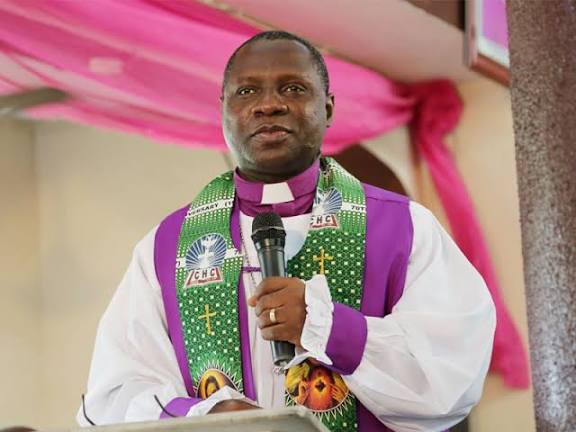
The Christian Association of Nigeria (CAN) has once again raised serious concerns regarding what it describes as a systematic genocide against Christian communities in Northern Nigeria and the Middle Belt. This alarming statement was made by CAN President, Archbishop Daniel Okoh, during the Fourth Quarterly National Executive Council (NEC) meeting in Jos, Plateau State.
Archbishop Okoh emphasized that the ongoing violence, which includes targeted killings, mass displacements, and the destruction of communities, cannot be overlooked any longer. He reaffirmed CAN’s position that a genocide against Christians is occurring, citing years of coordinated attacks and unpunished massacres that align with patterns of intentional extermination.
He shared his recent experiences in Bokkos, where many Christians remain displaced due to violent attacks, highlighting the physical and emotional toll on the victims. Despite the hardships, he noted the resilience of those affected, assuring them that they are not forgotten and that the Christian community stands with them.
The Archbishop lamented the lack of justice in many communities, where entire villages have been destroyed and perpetrators remain unpunished. He pointed out that the ongoing violence and kidnappings reflect a broader failure that requires national introspection.
International attention to Nigeria’s religious violence is beginning to grow, which he views as a painful but necessary development to prompt government action. He called on the federal government to take decisive measures to stop the violence, restore security, and ensure justice for those affected.
Archbishop Okoh condemned the prolonged situation of internally displaced persons (IDPs) as a moral failing for the nation and a potential humanitarian crisis. He reiterated CAN’s commitment to advocating for justice, accountability, and peace.
In support of CAN’s efforts, Plateau State Governor Caleb Mutfwang, represented by his deputy, Josephine Piyo, acknowledged the significance of the meeting in a state affected by severe ethno-religious violence. He reaffirmed the state government’s commitment to peace, security, and the resettlement of displaced persons, recognizing the church’s vital role in healing and rebuilding trust in communities.
The governor expressed hope that the council’s discussions would enhance national unity and empower religious leaders in their pursuit of justice and reconciliation.
