

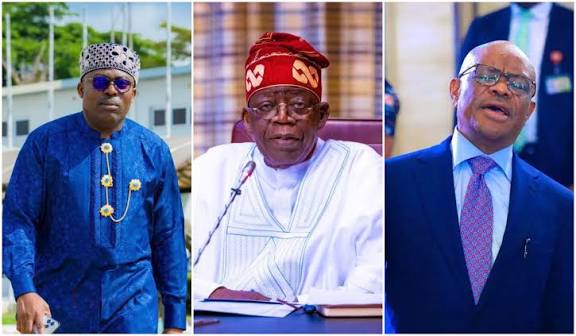
The ongoing feud between Rivers State Governor Siminalayi Fubara and Federal Capital Territory Minister Nyesom Wike has indeed reached a critical juncture, prompting President Bola Tinubu’s intervention. This situation underscores the complexities of political dynamics in Nigeria, particularly as it relates to governance and stability in the Niger Delta region.

Tinubu’s decision to summon Wike for discussions outside Nigeria adds an element of urgency and significance to the situation. It reflects his commitment to resolving conflicts that could have broader implications for national stability and economic performance, especially in a region vital to Nigeria’s oil production.
The impeachment process initiated by members of the Rivers State House of Assembly loyal to Wike raises serious concerns about governance and accountability. The allegations against Fubara, including gross misconduct and defiance of Supreme Court rulings, highlight the intense political rivalry and the potential for further escalation if not addressed promptly.
With both leaders reportedly meeting with Tinubu, the outcome of these discussions could be pivotal in determining the future of governance in Rivers State. Ensuring peace and stability is crucial, not only for the state’s political landscape but also for the economic implications tied to oil production and community relations in the region.
As this situation unfolds, it will be important to watch for any developments that could either resolve the feud or exacerbate tensions further. The stakes are high, and the involvement of the federal government indicates the seriousness with which these issues are being treated.
