

President Donald Trump hailed on Monday “very good” talks with an unidentified Iranian official after abruptly shelving plans for fresh attacks, even as Washington’s ally Israel vowed to keep up strikes on the Islamic republic.
The surprise disclosure — denied by Tehran, which accused Trump of manipulating energy markets — came ahead of a Monday night deadline imposed by Trump for Iran to reopen the Strait of Hormuz shipping lane or see the US “obliterate” its power plants.
Oil prices fell and stock markets jumped as observers scrambled to interpret Trump’s statements despite the Iranian denial.
Axios, citing an unnamed Israeli official, identified Trump’s interlocutor as Mohammad Bagher Ghalibaf, Iran’s speaker of parliament and one of its most prominent non-clerical figures.
But Ghalibaf said on X that “no negotiations” were underway, insisting Trump was seeking “to manipulate the financial and oil markets and escape the quagmire in which the US and Israel are trapped.”
Iranian foreign ministry spokesman Esmaeil Baqaei said messages were received from “some friendly countries indicating a US request for negotiations aimed at ending the war”, but denied any such talks had taken place, Iran’s official IRNA agency reported.
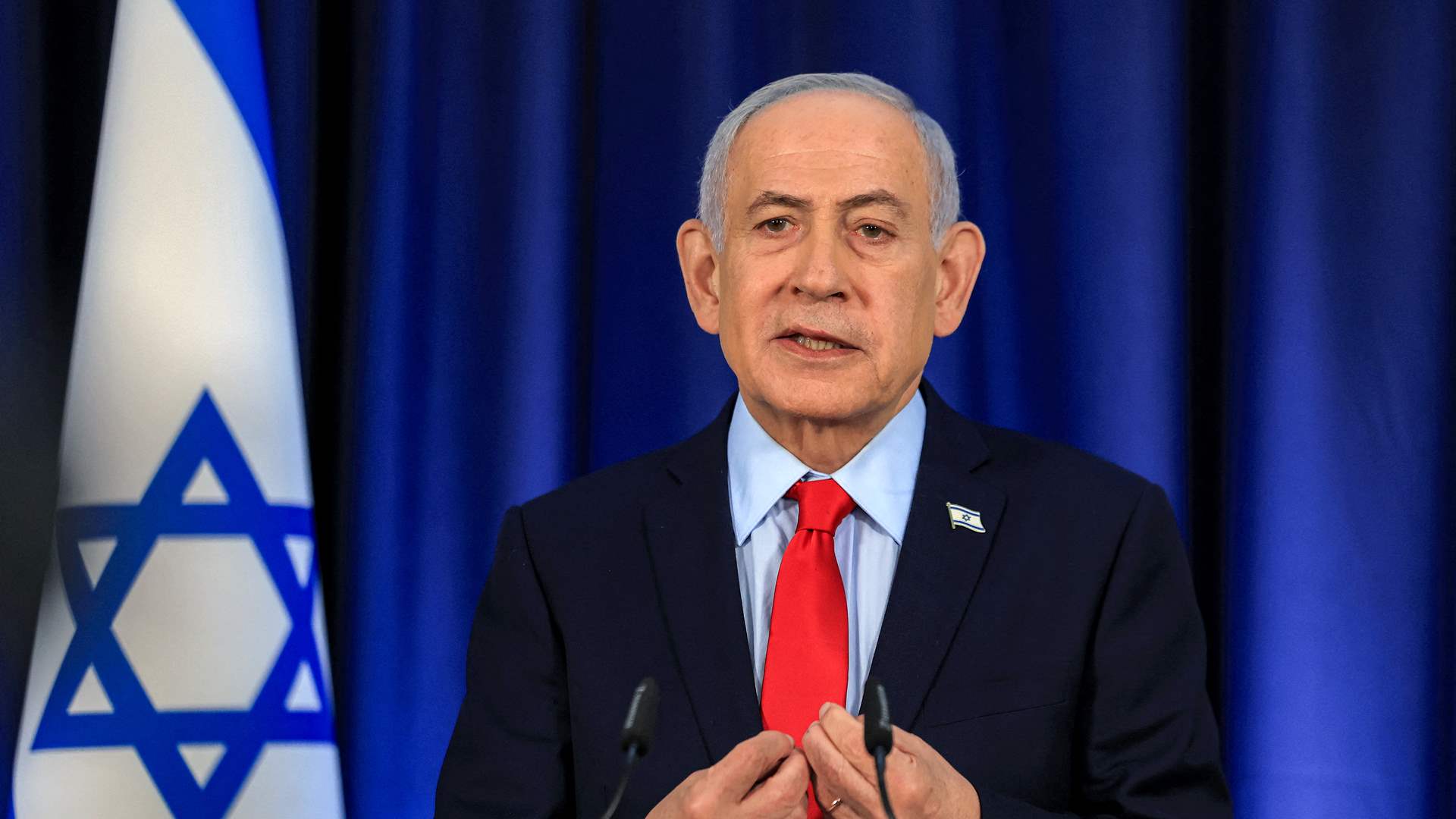
Israeli Prime Minister Benjamin Netanyahu said he had spoken to Trump and acknowledged the US thought a deal was possible, but vowed to continue striking Iran and Lebanon to protect Israel.
Trump believes there is a chance to leverage the tremendous achievements of the IDF and the US military in order to realize the war’s objectives in an agreement — an agreement that will safeguard our vital interests,” he said.
“At the same time, we continue to strike both in Iran and in Lebanon.”
Although Oman mediated indirect US-Iran talks prior to the US and Israel launching the war, Egypt, Qatar and Pakistan have been suggested as alternative go-betweens.
– ‘Trump blinked’ –
On a day of whiplash developments, Iran’s neighbors breathed a sigh of relief after Trump stepped back from his threat to target Iranian power infrastructure.
Tehran had vowed to deploy naval mines and target power and water infrastructure across the region in retaliation, threatening to escalate an energy crisis of already historic proportions.
“Trump blinked first — out of a clear understanding that striking Iran’s energy infrastructure would trigger a direct and significant retaliation,” Danny Citrinowicz, a security analyst and former Israeli intelligence Iran expert, wrote on X
